“I kept delaying investments thinking I didn’t earn enough.” — A Late Starter in Her 30s
When we met Radhika, she was 34 and earning well but hadn’t started investing. She believed that investments were for people earning “big money.” Despite saving regularly, her money sat idle in her bank account.
We walked her through a basic goal-mapping exercise and showed her how even modest SIPs could work over time. We helped her begin with simple mutual fund investments linked to short- and long-term goals.
Within a year, Radhika was confidently investing 20% of her income, with clear targets for her future. She often says, “ I wish I'd started earlier, but I'm glad I didn't wait any longer. ” Now, she’s a proud owner of a small portfolio.

“I was investing randomly, without knowing why.” — The Portfolio Drifter
Raj, a 42-year-old salaried professional, came to us with over 15 mutual funds, picked mostly on advice from friends and online influencers. His portfolio looked busy, but lacked direction.
We helped him consolidate his holdings, understand his actual risk appetite, and streamline his portfolio to just a handful of funds aligned with his key life goals.
Raj now has a focused investment strategy and reviews his portfolio only twice a year—no more chasing “hot tips” or reacting to market noise.

“We were saving for our child, but had no structure.” — The First-Time Parents
Neha and Akshay had been saving irregularly for their daughter’s education but weren’t sure how much was enough or where to invest.
We helped them define a time-bound target, account for inflation, and start a disciplined SIP plan with yearly top-ups. We also guided them on maintaining a separate emergency fund.
Today, their child’s education fund is on track, and they’ve found financial clarity and peace of mind as new parents.

“I used to withdraw every time the market fell.” — The Nervous Investor
Arvind had been investing for years but struggled to stay invested during market downturns. Every correction led to panic selling and missed opportunities.
We set up a structured SIP approach, spaced out his lump sum investments, and built in automatic rebalancing. More importantly, we kept him informed and focused on long-term thinking—especially when volatility struck.
In the last market dip, Arvind stayed invested for the first time. He now sees volatility as a part of the journey, not a signal to exit.

“I had money in FDs but didn’t know better options existed.” — The Ultra-Conservative Saver
Sarla, a 55-year-old retiree, had parked most of her life savings in fixed deposits. While secure, her returns barely kept up with inflation.
We introduced her to low-risk debt and hybrid mutual fund options, explaining how she could aim for better post-tax returns without compromising on safety or liquidity.
Her portfolio now earns more efficiently, and she has access to funds when she needs them—without locking everything into long-term deposits.

“We thought our real estate investments were enough.” — The Overexposed Couple
Amit and Swati had invested heavily in real estate—three properties over 15 years. But they lacked liquidity, had no emergency fund, and were struggling to fund their daughter’s higher education abroad.
We helped them understand the importance of balance and diversification. Without asking them to sell their assets, we guided them toward building a financial plan with flexible, liquid investments through mutual funds.
They now have a portfolio that complements their real estate holdings—giving them access to funds when needed, without relying on selling property in a hurry.
“We were close to retirement, but nowhere close to being ready.” — The Late Planners
Prakash and Meera, both 58, had no clear retirement corpus. Most of their savings were in insurance-linked products and traditional FDs. They were unsure how long their money would last.
We helped them define their post-retirement income needs and build a structured investment plan using mutual funds, NPS, and government bonds. The goal was to generate sustainable income while managing risk.
Today, they have a clear view of their retirement years and have gradually shifted from uncertainty to confidence. They say, “We may have started late, but we finally feel in control.”
“We were under-insured, but didn’t know it.” — The False Sense of Security
Sunil had a few life insurance policies, but none of them offered real coverage—just small sums with high premiums. He assumed his family would be protected if anything happened to him.
We helped him calculate how much coverage was actually needed and guided him toward more efficient term insurance options. We also structured his premium payments to fit within his overall financial plan.
His family is now better protected at a lower cost, and his investments are no longer tied up in poor insurance products. He told us, “I didn’t realise how exposed we were until we fixed it.”
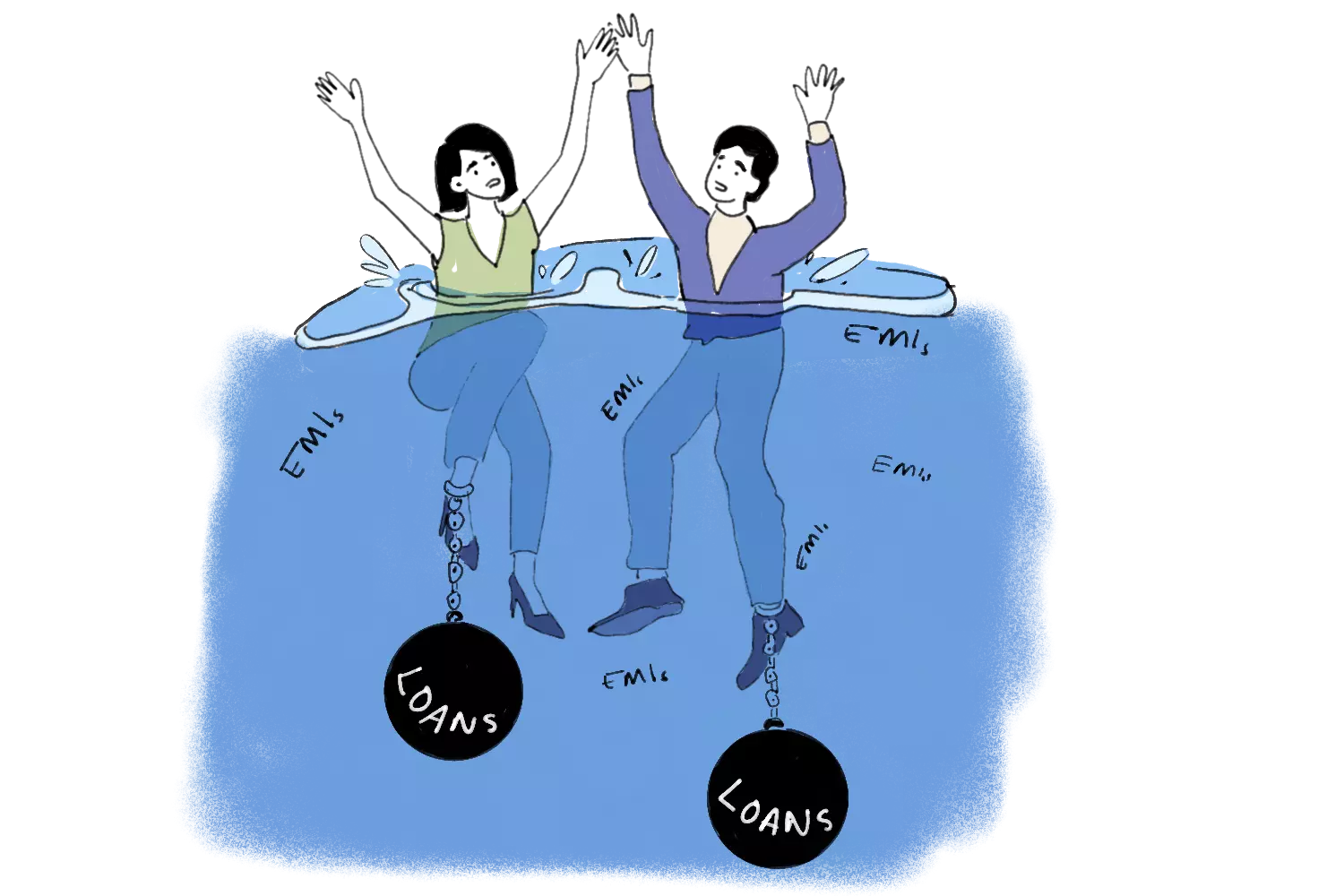
“We were drowning in EMIs and didn’t know how to stop.” — The Debt Trap
Ritika and Anuj were managing five loans—two personal, two credit cards, and a car loan. While their income was decent, nearly 60% of it went into EMIs. They were saving nothing.
We helped them list and prioritise their liabilities, consolidate high-interest debt, and design a step-by-step repayment plan. We also initiated small, automatic SIPs to restart their investment habit.
Over 18 months, they cleared three loans and now invest regularly. Financial anxiety has reduced significantly, and they feel like they’ve “taken their life back.”
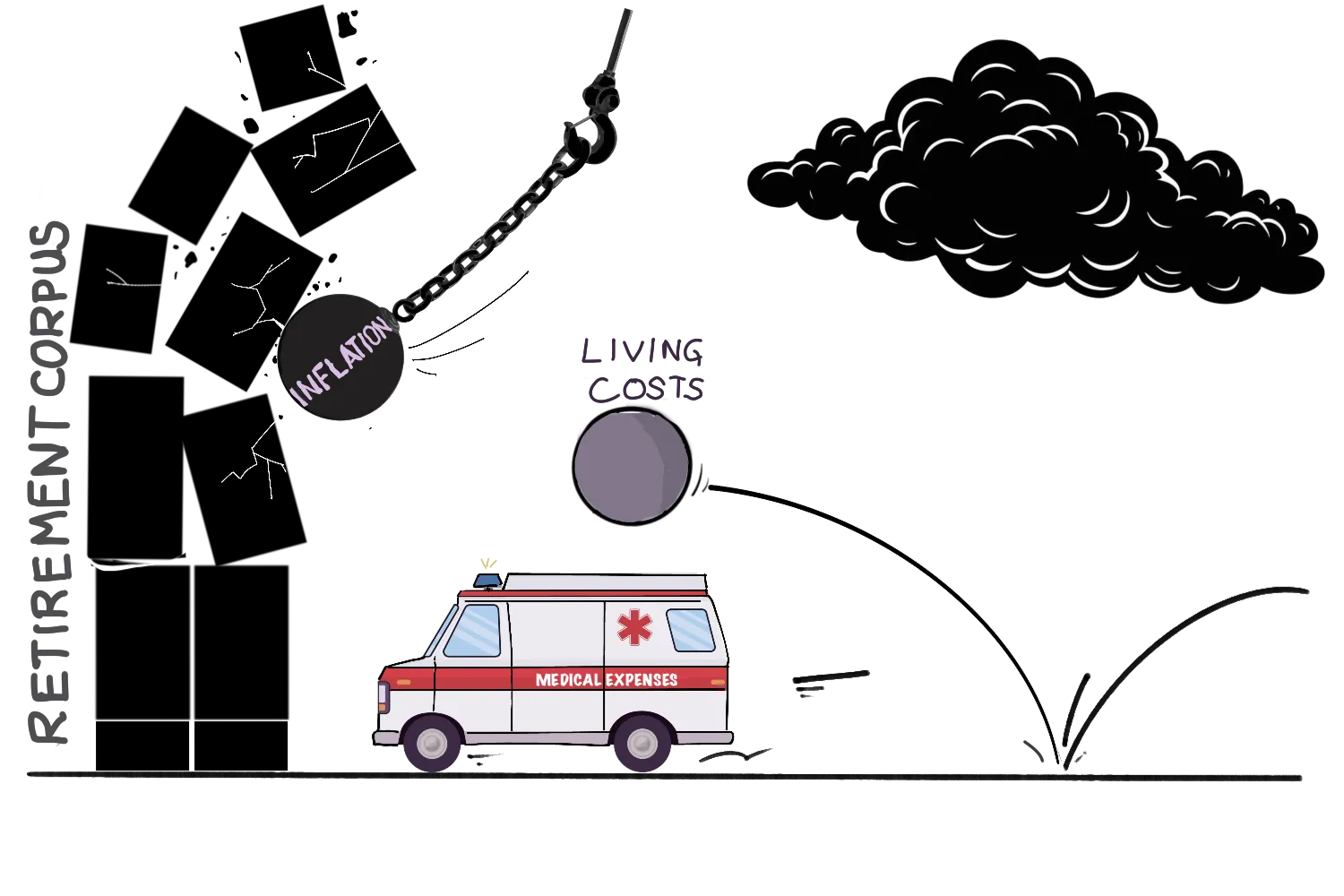
“I didn’t realise inflation would hit my retirement so hard.” — The Retired Professional
Mr. Sharma, a retired school principal, had retired with a corpus he thought would be sufficient. But rising living costs and medical expenses were slowly eroding his capital, especially as most of his funds were in low-interest instruments.
We worked with him to introduce a mix of low-risk mutual funds and government-backed options that offered better post-tax returns. We also helped structure a systematic withdrawal plan.
His retirement corpus is now being used more efficiently, with better returns and flexibility. He says, “I wish I’d structured my income this way from the start.”